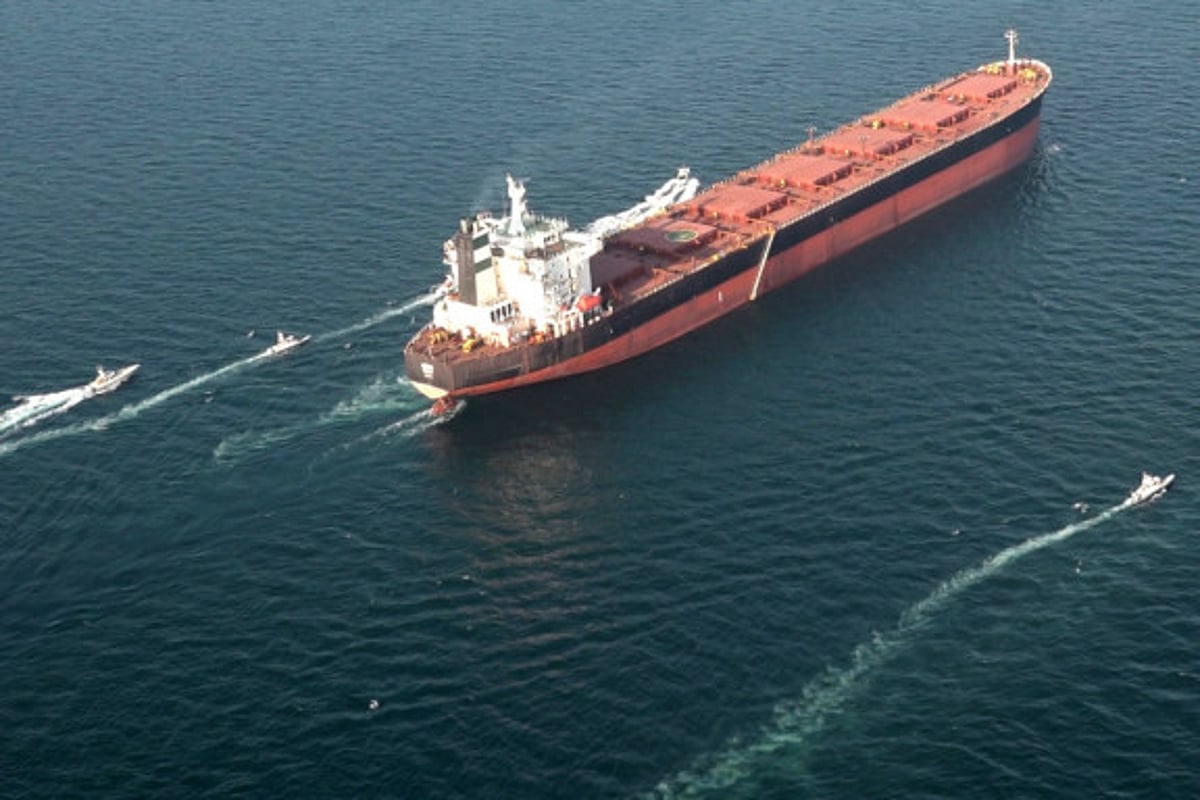
The global energy landscape is teetering on the brink of an unprecedented crisis as reports confirm the Strait of Hormuz, the world’s most vital oil chokepoint, is now de facto closed. This alarming development, initially reported by Iran's Tasnim news agency, signifies a dramatic halt to maritime and oil traffic in the strategic waterway. The implications are profound, threatening to send shockwaves through international markets and potentially trigger a new wave of global inflation, particularly impacting Europe. The situation escalated following warnings from the Islamic Revolutionary Guard Corps (IRGC) to several vessels regarding the perilous conditions in the Strait, citing "US and Israeli military aggression and Iranian retaliatory measures." This isn't just a regional issue; it's a global emergency, with the stability of energy supply chains hanging precariously in the balance.
The Strait of Hormuz: A Vital Artery Under Threat
Stretching for approximately 40 kilometers at its narrowest point between Iran to the north and Oman's Musandam Peninsula to the south, the Strait of Hormuz is more than just a geographical feature; it's the pulsating heart of global energy trade. This critical maritime corridor connects the Persian Gulf to the Gulf of Oman and subsequently the Indian Ocean, making it an indispensable passage for a staggering proportion of the world's oil and natural gas. Each day, tens of millions of barrels of crude oil and vast volumes of liquefied natural gas (LNG) traverse these narrow waters.
To put its importance into perspective, approximately 20% to 21% of the world's seaborne oil, amounting to 20 to 21 million barrels daily, passes through Hormuz. Furthermore, colossal quantities of natural gas are transported via this route. The sheer volume makes it an irreplaceable nexus for the global economy. No existing infrastructure can absorb the entirety of the energy volumes that transit through this chokepoint. The current state of affairs, often described as a détroit d'ormuz fermé, is a direct consequence of soaring tensions following American and Israeli strikes on Iranian soil.
In response, the IRGC has not only threatened to target any vessel attempting to cross the Strait but has also explicitly stated its closure to navigation since Monday, March 2nd. The immediate impact has been dramatic: maritime traffic has plummeted, with numerous ships opting to anchor outside the danger zone or completely reroute. The question now looms large: is de-escalation still a viable path, or are we bracing for a sustained surge in energy prices in the coming months?
Immediate Repercussions: Energy Prices Skyrocket
The ripple effects of the détroit d'ormuz fermé have been felt almost instantly across global energy markets. As markets opened on Monday, March 2nd, the price of liquefied natural gas (LNG) in Europe experienced an initial jump of 20%. This was quickly followed by an even more alarming surge, with TTF (Title Transfer Facility) contracts for natural gas soaring by over 50% throughout the day. The primary catalyst for this meteoric rise, beyond the Strait's closure, was the reported bombing of Qatar's two main national supplier processing centers by Iranian forces, further disrupting critical gas supplies.
The repercussions extend beyond the immediate energy sector. Global currencies have reacted swiftly to the heightened risks associated with vital commodity supplies. This instability has ignited fears of a fresh wave of inflation, a particularly worrying prospect for economies like Europe's that are already grappling with cost-of-living challenges. For a deeper dive into how these tensions are impacting LNG markets and the broader economic outlook for Europe, read our related article: Iran Tensions Shut Hormuz: LNG Prices Soar, Inflation Looms for Europe.
Businesses and consumers alike are urged to prepare for a period of heightened volatility and potentially sustained higher energy costs. Strategic energy reserves, diversification of energy sources, and hedging strategies may become critical tools for weathering this storm. The fragility of global energy supply chains has been starkly exposed, underscoring the interconnectedness of geopolitical events and everyday economic realities.
Desperate Measures: Exploring Alternative Routes
Faced with the grave threat of a prolonged and complete closure of the Strait of Hormuz, regional energy exporting powers are scrambling to activate contingency plans and leverage their terrestrial infrastructure. The urgency of this situation highlights the critical need for diversified energy routes, yet the reality is stark: there are no easy substitutes for Hormuz.
Saudi Arabia's East-West Pipeline (Petroline): Saudi Arabia is heavily relying on its immense East-West pipeline. This colossal infrastructure is designed to transport crude oil from its vast oil fields in the Gulf region directly to the port of Yanbu on the Red Sea, bypassing the Strait of Hormuz entirely. It represents a significant strategic asset for Riyadh in times of crisis.
UAE's Abu Dhabi Crude Oil Pipeline (ADCOP): Similarly, the United Arab Emirates is banking on its Abu Dhabi Crude Oil Pipeline. This pipeline connects their inland oil wells to the Fujairah terminal, conveniently located directly on the Gulf of Oman, also bypassing the Strait.
While these pipelines offer some relief, their capacity is severely limited compared to the volumes typically transiting Hormuz. According to data from the U.S. Energy Information Administration, these two bypass routes combined could theoretically divert approximately 2.6 million barrels of oil per day. This figure, however, pales in comparison to the 20-21 million barrels of oil and colossal volumes of gas that typically pass through Hormuz daily. For instance, Saudi Arabia alone was exporting around 5.5 million barrels per day via Hormuz in 2024, illustrating the massive shortfall.
The situation for Qatari liquefied natural gas (LNG) is even more dire. One-fifth of the world's LNG trade is exclusively dependent on Hormuz, and crucially, there is no viable pipeline or terrestrial alternative that could take over this immense volume in the short term. This highlights a critical vulnerability in global gas supply, making the détroit d'ormuz fermé a potentially catastrophic event for gas-dependent nations. To understand the challenges and limitations of these alternative routes in more detail, refer to our article: Hormuz Blockade: Are Alternative Oil Routes Enough to Prevent Chaos?
Analysis and Future Outlook: What to Expect
The current state of the Strait of Hormuz presents a complex and volatile scenario with far-reaching implications. While the Iranian agency Tasnim declared the Strait "de facto closed" and the IRGC issued stern warnings, it's important to note that Iranian officials and media have historically threatened to block the passage in times of conflict, though a formal, official declaration of closure from the Iranian government has not yet been made. This distinction, however, offers little solace when naval traffic is significantly disrupted, and vessels are actively avoiding the area due to perceived danger.
The critical question now is whether de-escalation is still possible, or if the world must brace for a prolonged period of instability. The economic ramifications extend far beyond energy prices, potentially leading to widespread supply chain disruptions, impacting everything from manufacturing to food distribution. The interconnectedness of the global economy means that a crisis in a crucial energy chokepoint will inevitably cascade into other sectors.
Practical Considerations and Insights:
- Geopolitical Chessboard: The Strait of Hormuz is not just an economic point but a geopolitical hotbed. Any sustained disruption will likely draw in major global powers, increasing the risk of wider conflict. Diplomatic channels must be engaged urgently and effectively.
- Inflationary Pressures: Prepare for sustained inflationary pressures, especially in energy and transportation costs. Businesses reliant on global shipping or energy-intensive operations should re-evaluate their risk management strategies.
- Energy Security Redefined: This event underscores the vulnerability of relying on single chokepoints. Nations will likely accelerate efforts toward energy independence, diversification, and investment in renewable energy sources.
- Consumer Impact: Consumers should anticipate higher prices for fuel, heating, and potentially imported goods. Prudent financial planning and energy conservation will become even more important.
The current situation in the Strait of Hormuz demands global attention and concerted diplomatic efforts. The cost of inaction or miscalculation could be catastrophic for the world economy and international stability.
Conclusion
The de facto closure of the Strait of Hormuz represents a critical juncture for the global energy market and international relations. As one of the world's most vital maritime arteries, its disruption immediately translates into soaring energy prices, heightened inflationary risks, and profound economic uncertainty. While alternative land-based pipelines offer a partial, limited solution for some oil exports, the vast majority of crude oil and particularly liquefied natural gas remain inextricably linked to this volatile chokepoint. The warnings from the IRGC and the subsequent dramatic drop in shipping traffic illustrate a dangerous reality where geopolitical tensions directly impact global commerce and stability. Whether this alarming status, effectively a détroit d'ormuz fermé, can be de-escalated through diplomacy or if it will solidify into a prolonged crisis remains to be seen. The imperative for international cooperation to avert a full-blown energy and economic catastrophe has never been more urgent.