Iran Tensions Shut Hormuz: LNG Prices Soar, Inflation Looms for Europe
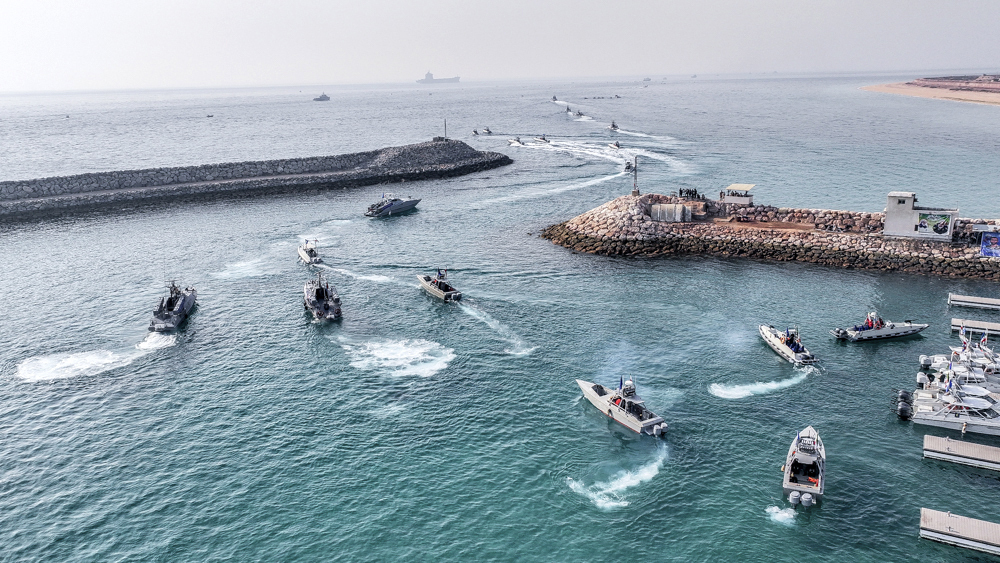
The world watches with bated breath as the Strait of Hormuz, a narrow maritime chokepoint vital to global energy supplies, faces a critical disruption. According to Iran's Tasnim news agency, the strait is now *de facto* closed, with maritime and oil traffic in the area having ground to a halt. This alarming development follows stark warnings from the Islamic Revolutionary Guard Corps (IRGC) to several vessels regarding the "dangerous situation" in the strait, attributing it to "military aggression by the United States and Israel and Iranian retaliatory measures." The immediate aftermath has seen global energy markets react with significant volatility, pushing Liquefied Natural Gas (LNG) prices skyward and stoking fears of an impending inflationary wave across Europe. The reality of the "détroit d'ormuz fermé" – the effectively closed Strait of Hormuz – is sending shockwaves globally.
The Strait of Hormuz: A Chokepoint of Unparalleled Global Significance
Nestled between the southern coast of Iran and the northern tip of Oman's Musandam Peninsula, the Strait of Hormuz is a maritime corridor just 40 kilometers wide at its narrowest point. This strategic passage connects the Persian Gulf to the Gulf of Oman and subsequently to the Indian Ocean, serving as an irreplaceable artery for the world's energy trade. Each day, millions of barrels of crude oil and vast volumes of liquefied natural gas traverse these constrained waters. Roughly 20% to 21% of all seaborne oil, amounting to tens of millions of barrels, passes through Hormuz, alongside immense quantities of natural gas.
The strait's economic importance cannot be overstated. It is a critical transit point for the global economy, lacking any existing infrastructure capable of absorbing the entirety of the volumes that flow through it. Its current state of tension stems directly from recent American and Israeli strikes on Iranian soil, to which the IRGC has responded with retaliatory threats. These threats include targeting any vessel attempting to transit the strait, and the explicit declaration on March 2nd that it had been closed to navigation. Since then, maritime traffic has plummeted dramatically, with numerous ships either anchored indefinitely or rerouting entirely to avoid the perilous zone. The urgent question remains: Is de-escalation still possible, or should the world brace for a severe and prolonged spike in energy prices in the months ahead?
Immediate Repercussions: LNG Prices Soar, Inflationary Pressures Mount
The ripple effects of the "détroit d'ormuz fermé" were felt almost instantaneously across global markets. On the morning of March 2nd, coinciding with the market opening, the price of Liquefied Natural Gas (LNG) in Europe surged by 20%. This initial jump was quickly dwarfed as TTF (Title Transfer Facility) contracts, a key benchmark for European natural gas, skyrocketed by over 50% during the day. This dramatic escalation was exacerbated by reports of Iranian bombardments leading to the closure of two major processing centers belonging to Qatar's national energy supplier – a crucial detail underscoring the direct impact of regional conflict on global supply.
Financial markets rapidly responded to these elevated risks in commodity prices. The potential for a new wave of inflation became an immediate concern, especially for Europe, which is heavily reliant on imported natural gas, particularly LNG, to meet its energy demands. The continent's ambitious energy transition goals, coupled with existing geopolitical vulnerabilities, leave it acutely exposed to disruptions in the Strait of Hormuz. Higher energy costs directly translate into increased operational expenses for industries, elevated utility bills for households, and ultimately, a broader inflationary spiral affecting the cost of living and potentially stifling economic growth.
Desperate Measures: Examining Alternative Transit Routes
Faced with the grave threat of a prolonged and complete closure, regional exporting powers are already scrambling to activate contingency plans involving their land-based infrastructure. However, the viability of these alternatives to circumvent the effectively closed Strait of Hormuz is highly questionable at the scale required.
*
Oil Pipelines: A Partial Solution
Saudi Arabia, the world's largest oil exporter, is banking on its colossal East-West Pipeline. This formidable infrastructure is designed to transport crude oil from the kingdom's Gulf oil fields to the port of Yanbu on the Red Sea. Similarly, the United Arab Emirates intends to utilize its Abu Dhabi Crude Oil Pipeline, connecting its oil wells directly to the terminal at Fujairah, situated directly on the Gulf of Oman, bypassing the Strait of Hormuz entirely. According to data from the U.S. Energy Information Administration, these two bypass routes could theoretically divert approximately 2.6 million barrels per day (b/d). While substantial, this figure pales in comparison to the 5.5 million b/d that Riyadh alone was exporting via Hormuz in 2024. The combined capacity of these alternative pipelines is a mere fraction of the total oil volumes typically transiting the strait, highlighting a significant deficit if the closure persists.
*
LNG's Insurmountable Challenge
The situation for Qatar's Liquefied Natural Gas (LNG) exports is even more dire. A staggering one-fifth of the world's LNG trade depends exclusively on the Strait of Hormuz. For LNG, there are simply no viable pipeline alternatives that can take over. Unlike crude oil, LNG requires specialized liquefaction and regasification terminals, and its transport is overwhelmingly maritime. No land-based system exists or could be rapidly deployed to replace the transit volumes currently passing through Hormuz. This critical lack of a terrestrial workaround for LNG transit makes Qatar's (and by extension, Europe's) reliance on the strait an acute vulnerability.
For a deeper dive into the challenges of alternative routes, read
Hormuz Blockade: Are Alternative Oil Routes Enough to Prevent Chaos?
Geopolitical Tensions and the Path Forward (or Lack Thereof)
The Iranian Tasnim agency's earlier announcement that the Guardians had warned multiple vessels about the "insecurity" and "danger" of traversing the strait, declaring it "de facto closed," accurately reflects the on-the-ground reality. While Iranian officials and state media have frequently brandished the threat of blocking this vital maritime passage in times of conflict, and some international reports indicate no "official decision" for a full blockade has been issued by Tehran, the operational reality of drastically reduced traffic and warnings to shipping effectively constitutes a closure.
The current climate of heightened tensions, stemming from overt military actions and explicit threats of retaliation, makes diplomatic de-escalation a complex and perhaps distant prospect. A prolonged closure or even severely restricted passage through the Strait of Hormuz would have cascading effects far beyond energy markets. Global supply chains, already fragile from recent disruptions, would face immense strain. Shipping insurance premiums would skyrocket, lead times would lengthen, and the overall cost of international trade would swell dramatically. The global economy, still grappling with post-pandemic recovery and existing inflationary pressures, can ill-afford such a critical disruption.
What This Means for Europe and the Global Economy: Insights and Tips
The "détroit d'ormuz fermé" scenario presents a multi-faceted crisis, with particular implications for Europe:
* **For Europe:** The continent faces unprecedented energy insecurity. Increased LNG prices mean higher costs for electricity, heating, and industrial production, translating into a higher cost of living for citizens and potentially pushing economies towards recession. Urgent long-term strategies for energy diversification and the development of robust contingency plans are paramount.
* **For Businesses:** Companies must urgently re-evaluate their supply chains for vulnerabilities. Increased shipping costs due to longer routes, higher insurance premiums, and potential delays will impact profitability. Energy-intensive industries should consider hedging strategies or accelerating investments in energy efficiency.
* **For Consumers:** Expect continued upward pressure on utility bills. The cascading effect of higher energy and transportation costs will likely lead to increased prices for a wide array of goods and services, eroding purchasing power.
* **Broader Economic Impact:** The global economy will experience heightened commodity price volatility, increased investor uncertainty, and a potential slowdown in growth. The risk of stagflation – high inflation coupled with stagnant growth – becomes a tangible threat.
**Practical Tips and Actionable Advice:**
* **Diversify Energy Sources:** Nations and energy providers should accelerate efforts to diversify energy imports away from single choke points.
* **Enhance Energy Efficiency:** Immediate and long-term investments in energy efficiency can mitigate the impact of price spikes.
* **Monitor Geopolitical Developments:** Businesses and governments must remain vigilant, adapting strategies based on the evolving situation.
* **Strategic Reserves:** Nations should assess and potentially bolster their strategic energy reserves to buffer against sudden supply shocks.
For a comprehensive overview of the broader crisis, refer to
Strait of Hormuz De Facto Closed: Global Energy Market Faces Crisis.
The effective closure of the Strait of Hormuz is not merely a regional incident but a critical global event with far-reaching economic consequences. The immediate surge in LNG prices and the looming threat of widespread inflation underscore the fragility of the world's energy supply chains. With limited viable alternatives for rerouting the vast volumes of oil and especially LNG that transit the strait, the international community faces a severe test. A diplomatic resolution is desperately needed, but in its absence, the world, particularly Europe, must prepare for an extended period of heightened energy insecurity and economic uncertainty.